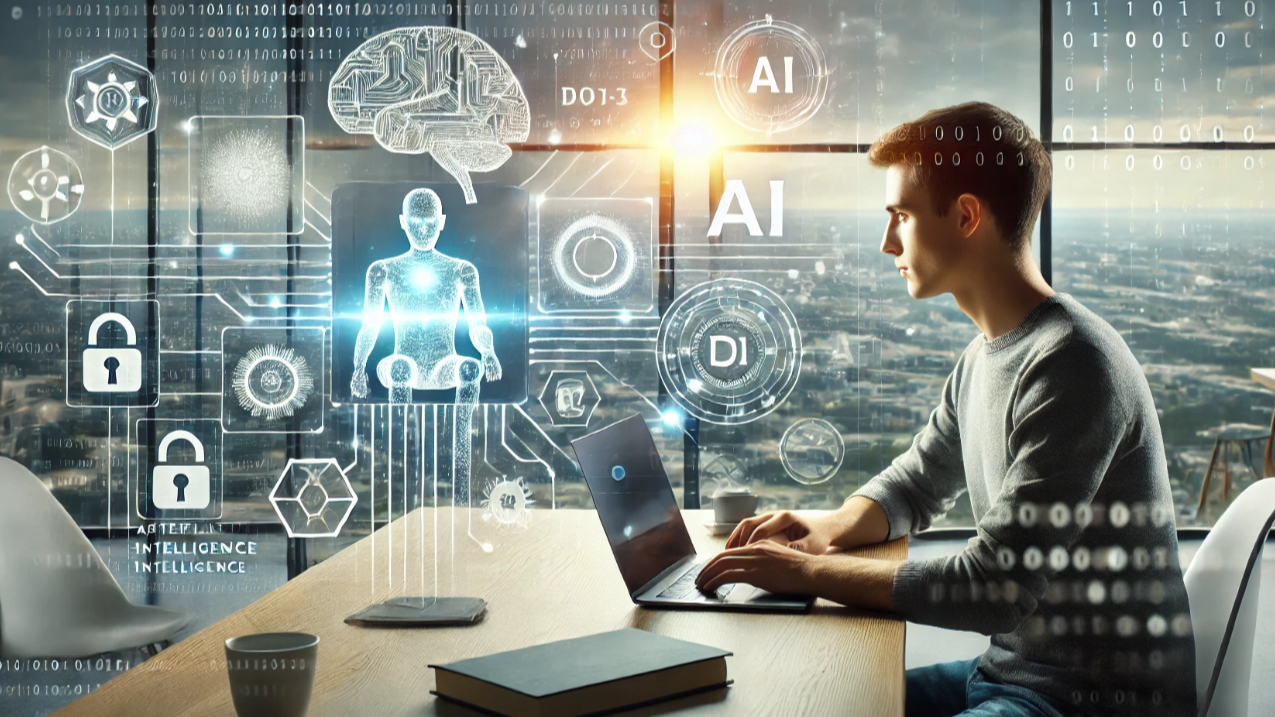
No longer confined to research labs or science fiction stories, AI now influences decisions as small as recommending a song and as critical as detecting disease. Its ability to process massive amounts of data at incredible speed makes it an essential tool for governments, businesses, and individuals seeking efficiency and insight.
Across industries, AI systems analyze patterns, predict outcomes, and automate repetitive tasks. These capabilities reduce human error and allow professionals to focus on creative or strategic work. Whether improving the accuracy of medical diagnostics or optimizing supply chains, AI is becoming a silent partner in problem-solving for both public and private sectors.
Revolutionizing Healthcare and Scientific Research
One of the most impactful areas of AI application is healthcare. Hospitals and research centers now deploy AI to detect early signs of illness, interpret medical images, and even predict patient recovery times. Algorithms trained on vast datasets can identify patterns invisible to the human eye, enabling faster and more accurate diagnoses. AI-powered chatbots also provide initial health assessments, helping patients decide when to seek professional care.
Beyond clinical settings, AI accelerates scientific discovery. Researchers use machine learning models to simulate complex chemical reactions, develop new pharmaceuticals, and analyze genomic data. These innovations shorten the timeline for breakthroughs, giving scientists the ability to respond more quickly to emerging global health challenges.
Driving Business Efficiency and Smart Consumer Services
In the business world, AI reshapes everything from customer service to logistics. Companies rely on AI to forecast demand, detect fraud, and personalize marketing campaigns. Virtual assistants handle routine customer inquiries, reducing wait times and improving user satisfaction. Retailers use AI-driven recommendation engines to suggest products tailored to individual preferences, while financial institutions deploy predictive analytics to identify suspicious transactions before they cause harm.
Manufacturing and supply chain management also benefit. AI systems can predict equipment failures, schedule maintenance, and optimize routes for delivery fleets. These efficiencies translate into cost savings and more sustainable operations, allowing businesses to remain competitive in a fast-changing global market.
Enhancing Education Entertainment and Daily Living
AI’s influence extends well beyond professional environments into education, entertainment, and personal life. In classrooms, adaptive learning platforms analyze student performance to deliver customized lesson plans, helping teachers address individual strengths and weaknesses. AI tutors can answer questions in real time, providing support outside of traditional school hours.
Entertainment platforms leverage AI to curate music playlists, recommend films, and even generate new content. Game developers use AI to create responsive virtual worlds where characters learn from player behavior. At home, smart devices powered by AI manage lighting, temperature, and security systems, creating environments that anticipate and respond to residents’ needs.
These examples illustrate how AI quietly enhances convenience and creativity. From guiding students through complex subjects to offering immersive entertainment, AI enriches experiences that once required significant human effort.
Source: https://malaka555.sg-host.com/